How to Prepare for an Audition: Technical, Mental, and Logistical
This information is a general overview; remember to check the specific requirements of each audition. Effective preparation typically combines technical work, mental training, and logistical management. Below are practical tips and sample routines for different levels.
Technical Preparation
- General warm-up: 5–10 minutes of light cardio (rope, jogging in place) to increase body temperature. Stretching exercises, including using tools such as a resistance band.
Mental Preparation and Body Care
- Anxiety Management: Breathing Techniques (4-4-4), Performance Visualization, Repeatable Pre-Audition Routine.
- Rest and Nutrition: Adequate sleep in the 48 hours prior; light, balanced meals before the audition.
- Injury Prevention: Dynamic Stretching, Muscle Activation, Physiotherapy Consultation for Persistent Pain; Avoid Experimenting with New Exercises on the Day of the Audition.
Audition Day Logistics Checklist
- Arrive 30–60 minutes early for registration and warm-up.
- Documents: ID, printed CV/QR scan for showreels, authorizations if minors.
- Clothing: Technical outfit that highlights figure and mobility; footwear (demi-pointe shoes, ballet shoes, sneakers for commercials).
- Digital Materials: Private showreel link (Dropbox/WeTransfer) with a professional file name.
- Communication: Confirmation email or professional follow-up after the audition.
Practical Example: Warm-up Routine
1.5 min light cardio + joint mobility (neck, shoulders, hips, ankles).
Stretching Exercises
Perform a series of exercises aimed at lengthening muscles and improving flexibility and joint mobility. Stretching is performed through slow, controlled movements or by holding static positions for a few seconds.
How the Audition Works
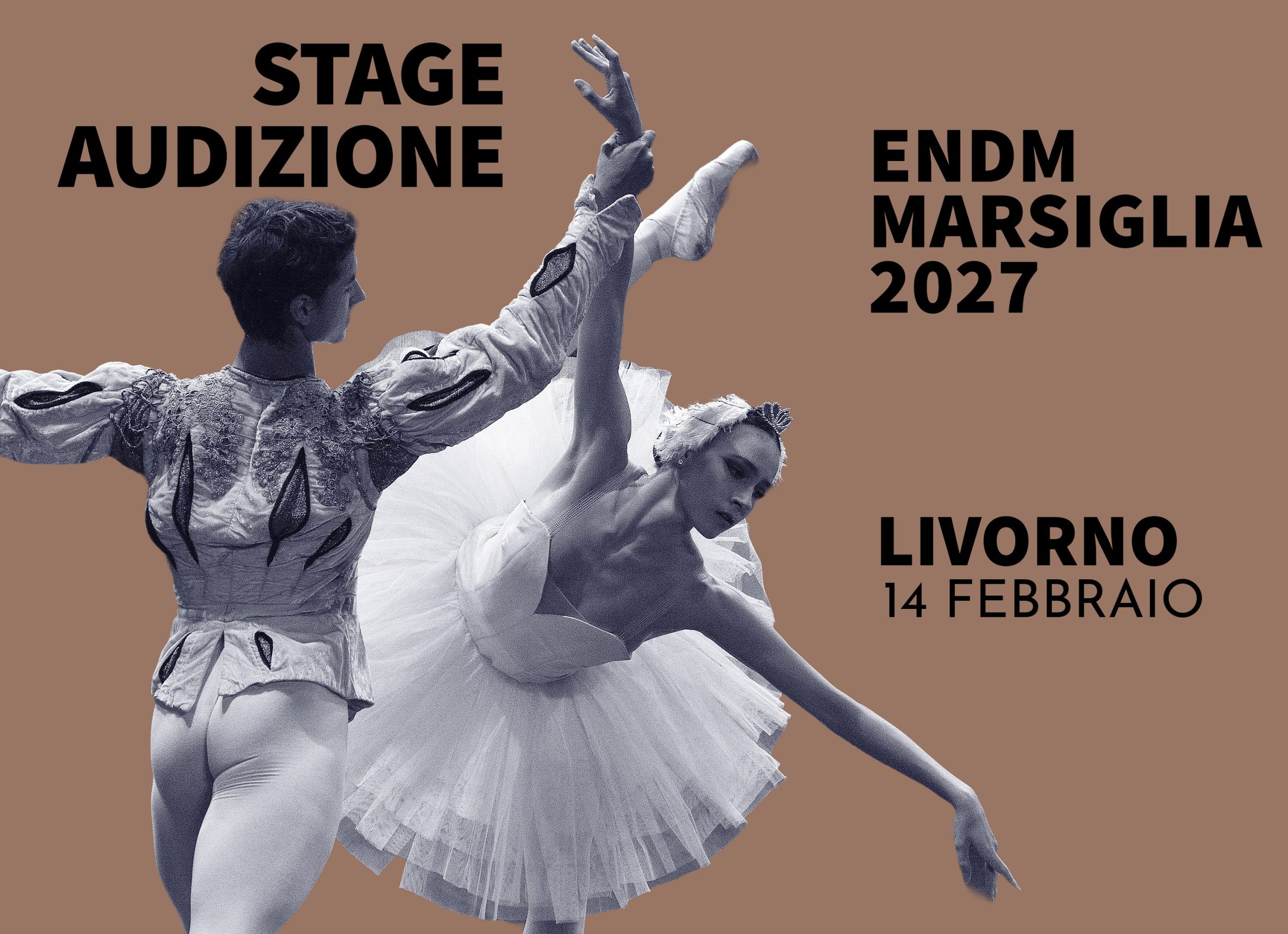
In classical dance auditions, candidates typically undergo a technique lesson with a barre and center exercises. Sometimes they are asked to prepare a choreography from the classical repertoire. The teacher leading the lesson may teach a variation on the spot to test the candidate’s learning speed. Typical barre and center exercises include plié, tandu, jeté, and so on.
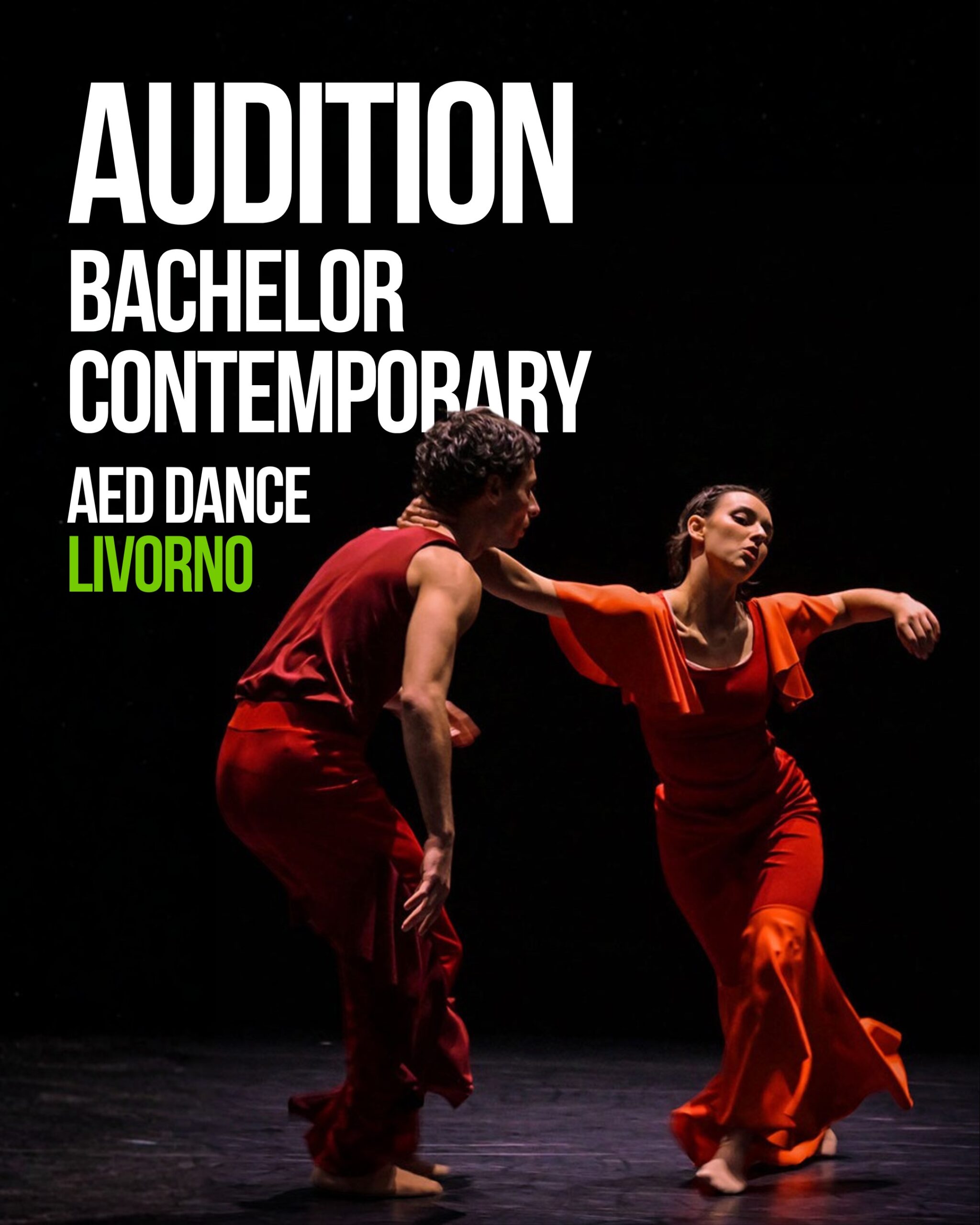
Contemporary dance auditions typically consist of a lesson in classical dance, contemporary dance, and improvisation. Contemporary dance lessons and the repertoire of contemporary dance companies are also taught on the spot.
How AED has helped some of its students with dance auditions
Thanks to an intensive and personalized training program aimed at enhancing technique, interpretation, and artistic awareness, our dancers have successfully distinguished themselves in high-level auditions over the years.
The European Dance Association’s working method, which combines excellent teaching with constant support in building portfolios and presenting to selectors, has allowed young talents to realize their dreams, gaining access to prestigious national and international dance institutions.
Aurora Stretti (Codarts Rotterdam), Giulia Maggiani (BA Contemporary ZHdK Zurigo), Jasmine Sisti (BA Contemporary ZHdK Zurigo), Elena Paltracca (BA Contemporary ZHdK Zurigo), Andrea Landolfi (BA Contemporary ZHdK Zurigo), Noemi Calzavara (Codarts Rotterdam), Carlotta Brogi (Codarts Rotterdam), Alberto Albanese (Codarts Rotterdam), Tommaso Zuchegna (Codarts Rotterdam), Gloria Tonello (BA Contemporary ZHdK Zurigo), Anna Pesetti (BA Contemporary ZHdK Zurigo), Anna Manetti (BA Contemporary ZHdK Zurigo), Giulia Spada (BA Contemporary ZHdK Zurigo), Jenny Buonamano (Budapest Dance Theatre), Lucia Bruno (Budapest Dance Theatre), Elena Cattardico (Danzarea Ginevra), Giuliana Sollami (Codarts Rotterdam), Sofia Siboldi (BA Contemporary ZHdK Zurigo), Beatrice Giannini (Budapest Dance Theatre), Aurora Brocchi (CDSH Amburgo), Rita Di Bin (BA Contemporary ZHdK Zurigo), Federica Santunione (Conservatorio Praga), Beatrice Castaldo (BA Contemporary ZHdK Zurigo), Giusy Fanaro (BA Contemporary ZHdK Zurigo), Marta Allocco (BA Contemporary ZHdK Zurigo), Lavinia Tinagli (BA Contemporary ZHdK Zurigo), Mandela Giudice (Codarts Rotterdam), Martina Balzamo (BA Contemporary ZHdK Zurigo), Alice Cofone (BA Contemporary ZHdK Zurigo), Gennaro Cipolletta (Codarts Rotterdam), Davide Caracciolo (Codarts Rotterdam), Luke Bugeja (BA Contemporary ZHdK Zurigo), Gloria Carobini (CDSH Amburgo), Jeanne Hensinger (Codarts Rotterdam), Mara Marbini (BA Contemporary ZHdK Zurigo), Gianluca Rodenghi (Contemporary Dance Zurigo) , Irene Branchesi (Contemporary Dance Zurigo) , Giorgia Ceriotti BA (Contemporary Dance Zurigo), Agnese Fornara (CDSH Amburgo), Cristina Vaino (CDSH Amburgo), Geremia Cappagli (Codarts Rotterdam). Leann Puma (BA Contemporary Dance Zurigo), Olga Arigoni (BA Contemporary Dance Zurigo), Marta Grasso (Accademia Nazionale Danza), Irene Lanzanò (CDSH Amburgo). Giulia Ciaponi (Mp3 Dance Project), Leann Puma (BA Contemporary Dance Zurigo), Sofia Oliveri (BA Contemporary Dance Zurigo), Carolina Mazzini (BA Contemporary Dance Zurigo). Beatrice Bustone (BA Contemporary Tilburg) , Sara Guru (BA Contemporary Dance Zurich), Elisabetta Brau (BA Contemporary Dance Zurich), Sara Doda (The Place Madrid).
Check the updated calendar of dance auditions organized by AED, maintain a professional digital portfolio, and choose opportunities that match your technical and logistical profile. To receive email updates, sign up for the newsletter or contact the team for assistance with reviewing ads.
FAQs optimized for featured snippets
What’s the difference between an open call and an invitation-only audition?
The open call is open to all candidates who meet the requirements; the invitation-only audition is reserved for pre-selected candidates.
What should I submit to apply?
Only the materials indicated in the announcement: generally a CV in PDF format, photos (headshots and full-body), and a showreel in MP4 format; always check the announcement for any additional materials.
How long should a showreel be?
Between 60 and 180 seconds, showcasing your best skills and contact information at the beginning of the video.
Do I have to wear stage attire?
No; wear form-fitting technical clothing that allows for movement.
Is it helpful to contact the organization after the audition?
Yes, a professional thank-you email can strengthen contact and leave a good impression.
What does “video pre-selection” mean?
The organization evaluates candidates based on the submitted materials (videos) and notifies those admitted to the subsequent stages.
How can I avoid injuries during the audition?
Maintain a proper warm-up, listen to your body, avoid forcing unprepared movements, and report any pain to the medical team.
Can I send materials via social media?
Only if the announcement specifies it; always prefer private files or links (Dropbox/WeTransfer) and professional file names.
How early should I arrive for an audition?
Arrive at least 30–60 minutes early to register and warm up thoroughly.